OpenAI launched GPT-5 Turbo, enhancing marketing automation with real-time ad copy, email personalization, and lead scoring. Early users report faster campaign execution and higher engagement rates.
Meta introduced AI Insights, analyzing audience engagement and suggesting optimal post times across Facebook and Instagram. Beta users report improved targeting efficiency and campaign results.
Salesforce Einstein GPT generates personalized email, social, and web content, suggesting tweaks based on past engagement data, helping marketers improve account-based campaigns.
Google Ads now uses generative AI to automatically create headlines, descriptions, and creatives tailored to user intent, reducing A/B testing needs and improving ROI for advertisers.
Microsoft plans to lay off 9,000 sales employees and replace them with more technically skilled solution engineers, focusing on AI (especially its Copilot suite) to compete with OpenAI and Google.
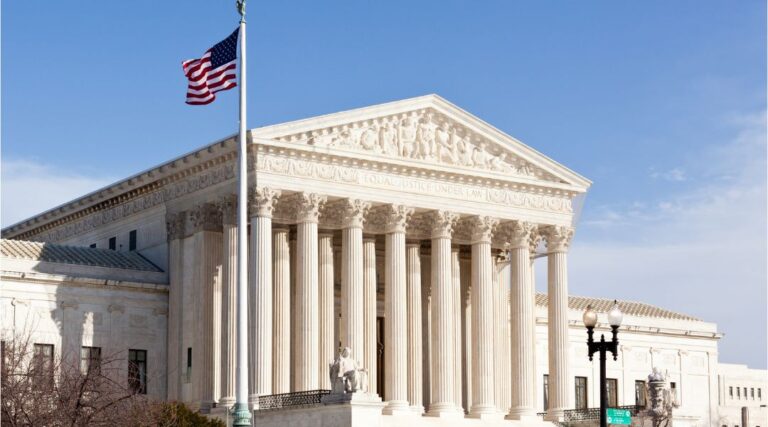
U.S., judges have ruled in favor of AI firms Anthropic and Meta, finding their use of books and other content for training lawful. These decisions are shaping legal precedents around
CEOs from 44 major companies like Airbus, BNP Paribas, Carrefour, Philips, and more are urging Brussels to postpone the August roll‑out of the EU AI Act. They argue that its
At the Rio summit, BRICS leaders (Brazil, Russia, India, China, South Africa) proposed international rules to curb unauthorized data collection and ensure fair compensation for content used in AI training—advocating
The U.S. Food and Drug Administration (FDA) has introduced Elsa, an internal AI system designed to assist in food safety by flagging recall‑worthy issues, analyzing labels, and prioritizing inspections. It